

Twin Ropes vs Single Rope for Multipitch Climbing
Choosing the Right Ropes System for Efficiency and Safety
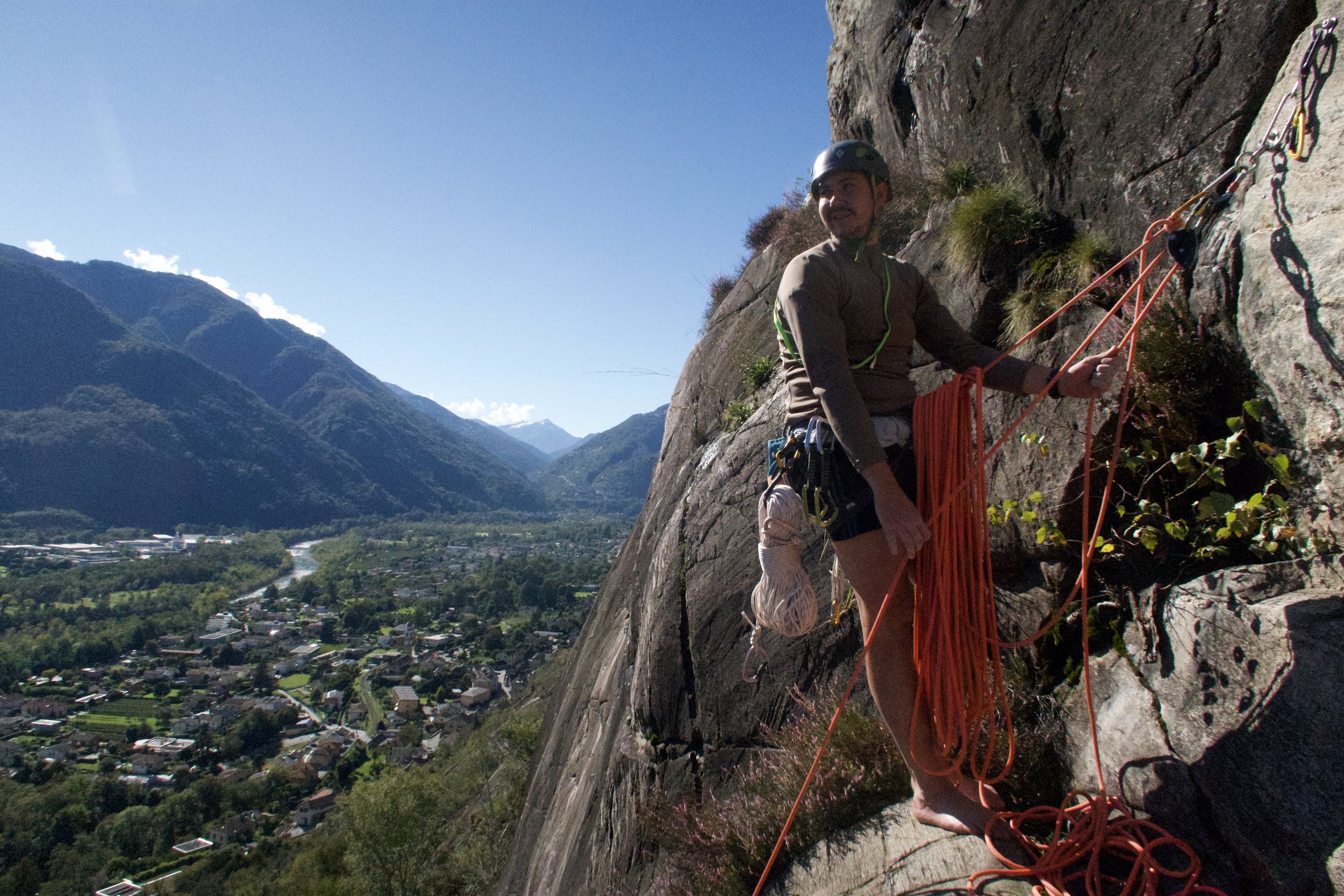
Multipitch with single Rope and ultra static Cord
As spring approaches, many climbers start rethinking their multipitch climbing ropes system, Skies go back into storage, racks are reorganised, and the pull of long, sun exposed rock faces becomes impossible to ignore.
But along with renewed motivation often comes a familiar question: what is the most efficient and safe rope system for multipitch climbing today?
Twin ropes have been the gold standard for decades, yet more and more climbers and guides are experimenting with a single rope + static line setup to climb smarter, lighter, and with greater flow.
Twin Ropes for Multipitch Climbing: Pros and Cons
Twin ropes are deeply rooted in alpine climbing tradition, and for good reason. However, they also come with some very real trade-offs that become evident on long days on the wall.
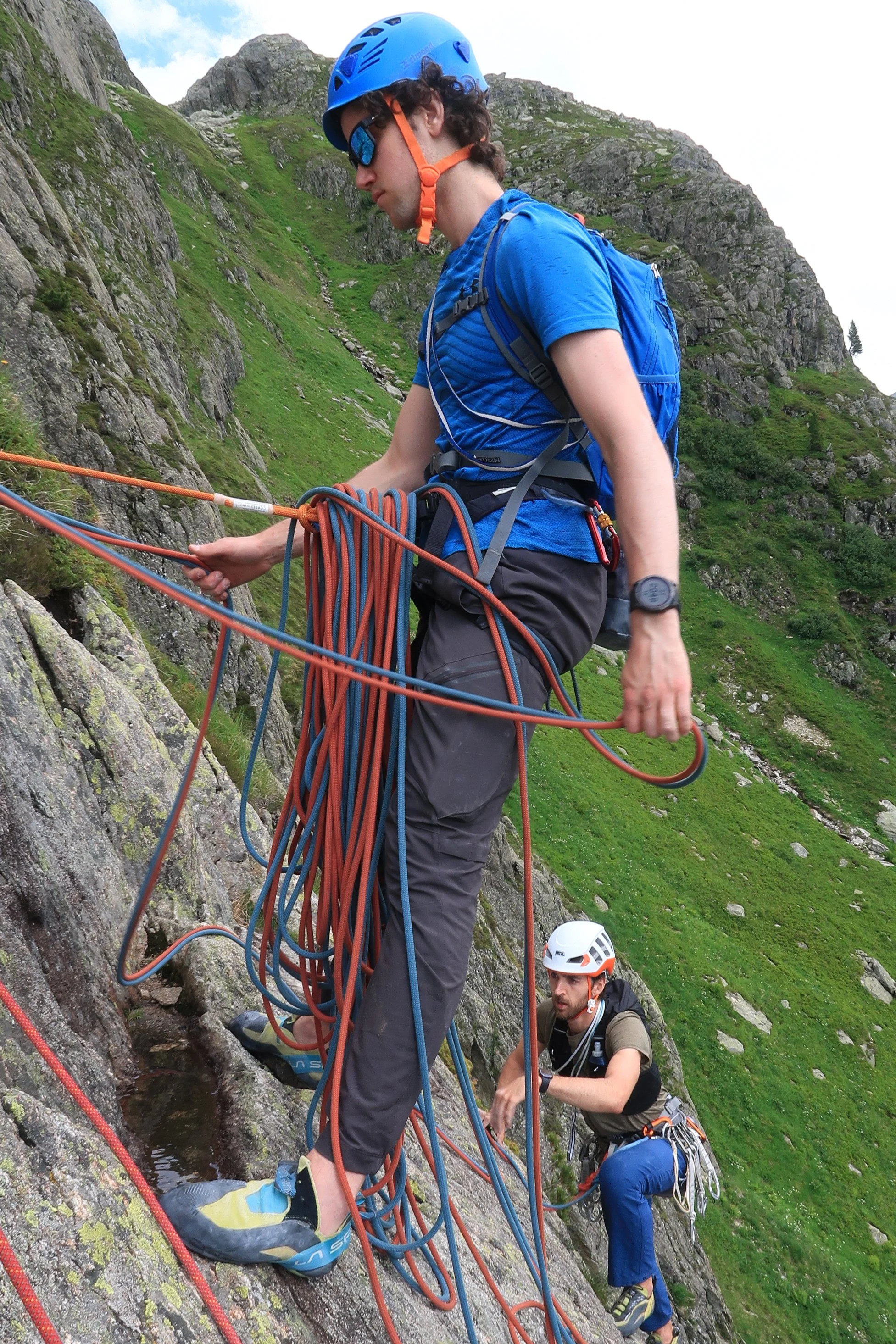
The Pain Points of Traditional Twin Rope Climbing
While reliable, twin ropes can introduce inefficiencies that affect both performance and enjoyment.
Weight and Rope Drag
Clipping two ropes means more weight hanging from your harness as you climb higher. On wandering multipitch routes, rope drag increases quickly, making each clip feel harder and less fluid.
Belaying Complexity
Belaying two strands smoothly requires experience and constant attention. Managing slack, avoiding tangles, and keeping things efficient is rarely as intuitive as belaying a single rope.
Rope Management at Belays
At small or uncomfortable stances, stacking and organizing two ropes can easily turn into a time-consuming “rope salad,” disrupting the rhythm of the climb.
Rappelling Hassles
Although twin ropes allow full-length rappels, the descent often involves double the rope handling: more coiling, more pulling, and a higher chance of snags—especially on wandering multipitch terrain.
The Undeniable Strengths of Twin Rope Systems
Despite these drawbacks, twin ropes remain essential in many situations.
Redundancy and Safety
The primary advantage is redundancy. Two ropes offer increased protection against sharp edges and rockfall. In the unlikely event of rope damage, the second rope provides a critical backup.
Ideal for Teams of Three
For parties of three, twin ropes are still the safest and most practical option.
Efficient Long Rappels
On big alpine routes with long, straight descents, twin ropes allow full-length rappels with fewer intermediate anchors.
Single Rope Multipitch Climbing with a Static Line
In recent years, many guides and instructors have adopted a more streamlined system: a single dynamic rope paired with an ultra-static cord, such as the Petzl Radline.
This setup isn’t about cutting corners—it’s about efficiency and clarity on moderate, wandering multipitch routes where rope management plays a major role in overall safety.
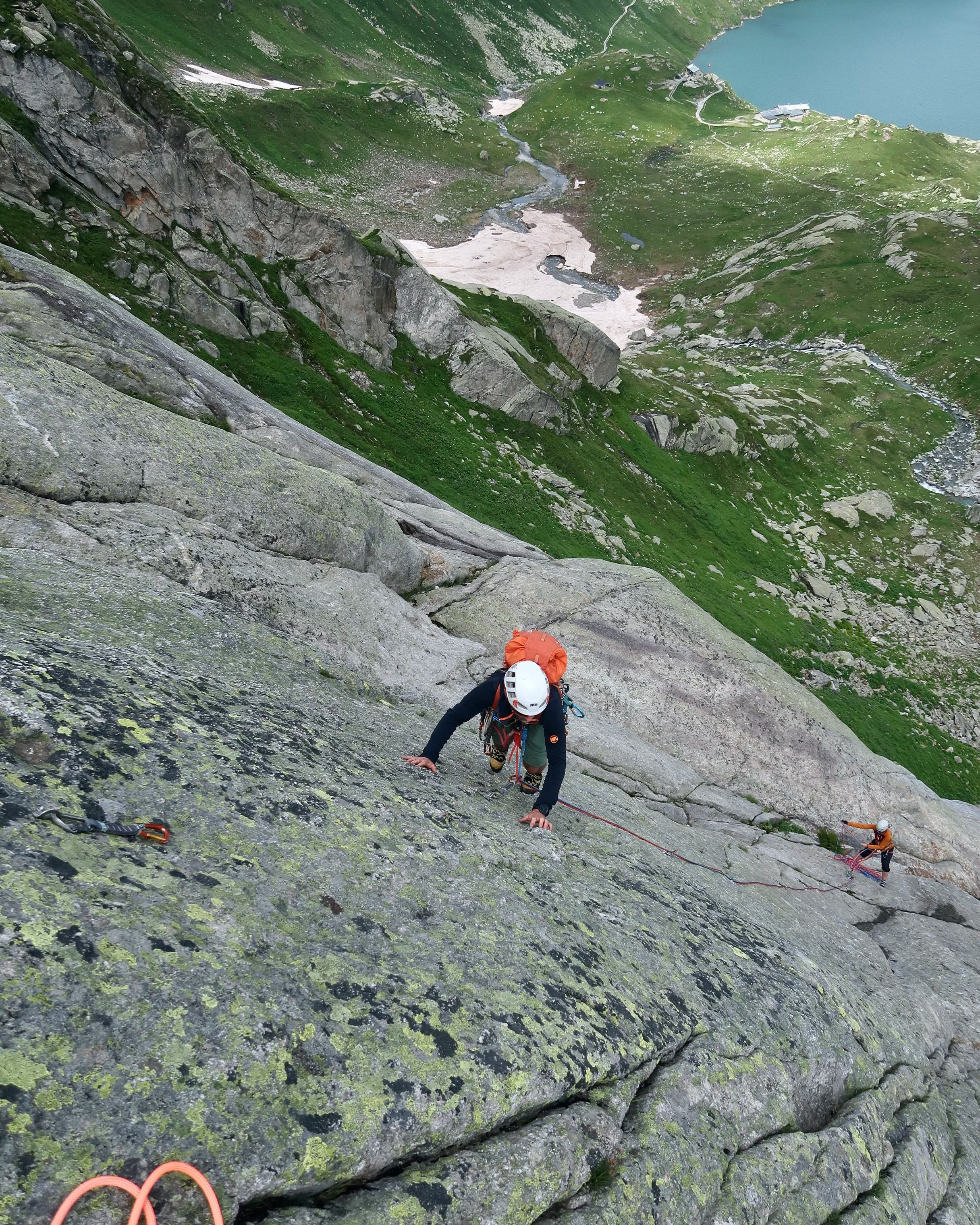
Multipitch with 2 Groups using diferent systems
Why Guides Are Using This System
The goal is simple: reduce complexity without compromising control.
Simplicity and Lightness
One rope to clip, one rope to manage. Less weight, less drag, and significantly less mental overhead throughout the climb.
Streamlined Belaying
Any standard belay device works seamlessly. Giving and taking rope is faster, cleaner, and more intuitive than managing twin strands.
Preserved Lead Feel
You climb and lead on a familiar single dynamic rope, with handling characteristics you already trust.
Rappelling and Rope Retrieval: A Key Difference
This is where the system truly shines.
Rappelling
You rappel on your single dynamic rope using almost any belay device—tube or assisted-braking—rather than being limited to tube-style devices often required for twin ropes.
Rope Retrieval
The static line is used to pull down the dynamic rope from the anchor below. On wandering multipitch routes, this often results in cleaner, smoother retrieval compared to pulling two dynamic ropes, which tend to twist and snag more easily.
Twin Ropes vs Single Rope: Which Is Safer for Multipitch Climbing?
There is no universal answer—only context-based decisions.
Twin ropes still offer unmatched redundancy and remain essential in complex alpine terrain, sharp rock environments, and large teams.
The single rope + static line system, however, can be perfectly safe and highly efficient when used correctly, on appropriate routes, and by climbers who understand its limitations.
Safety doesn’t come from the system alone—it comes from knowledge, terrain assessment, and experience.
When NOT to Use a Single Rope + Static Line
This modern system is not a replacement for all scenarios. It should be avoided when:
climbing with three people
dealing with sharp, abrasive rock
facing very long, straight-down rappels
operating in high-risk alpine environments where redundancy is critical
Understanding when not to use a system is just as important as knowing when it excels.
Note: This blog is based on the author's personal experiences and reflections. It is not, however, a substitute for formal training. For professional instruction, please enroll in one of our courses led by certified guides.
What We’re Testing During the 2026 Multipitch Season
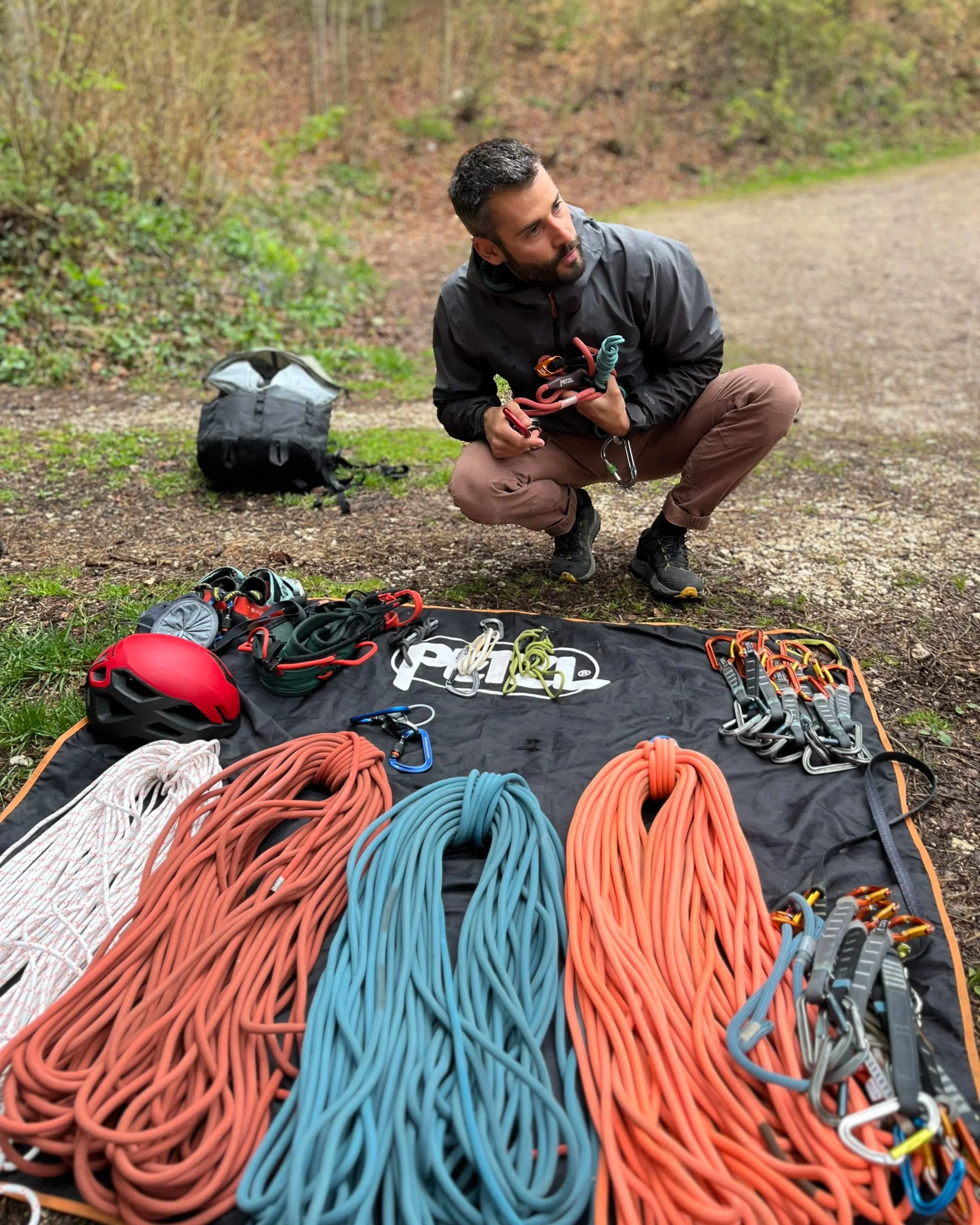
At Escalando Climbing School, testing rope systems in real terrain is part of how we teach safe and efficient multipitch climbing.
During the upcoming season, we will:
document long, classic multipitch routes
gather field experience from instructors and guiding colleagues
stress-test the single rope + static line system to define its real limits
Our goal is not to follow trends blindly, but to understand where innovation improves climbing—and where traditional systems remain non-negotiable.
Should this setup be introduced in beginner courses, or reserved for advanced climbers only?
We’ll report back with real-world findings as the season unfolds.
Final Thoughts
Choosing the right rope system for multipitch climbing is about clarity, efficiency, and informed decision-making—not shortcuts.
What’s your preferred setup for long, wandering multipitch routes?
Share your experience in the comments, and follow us for updates from the field as we continue testing throughout the season.
